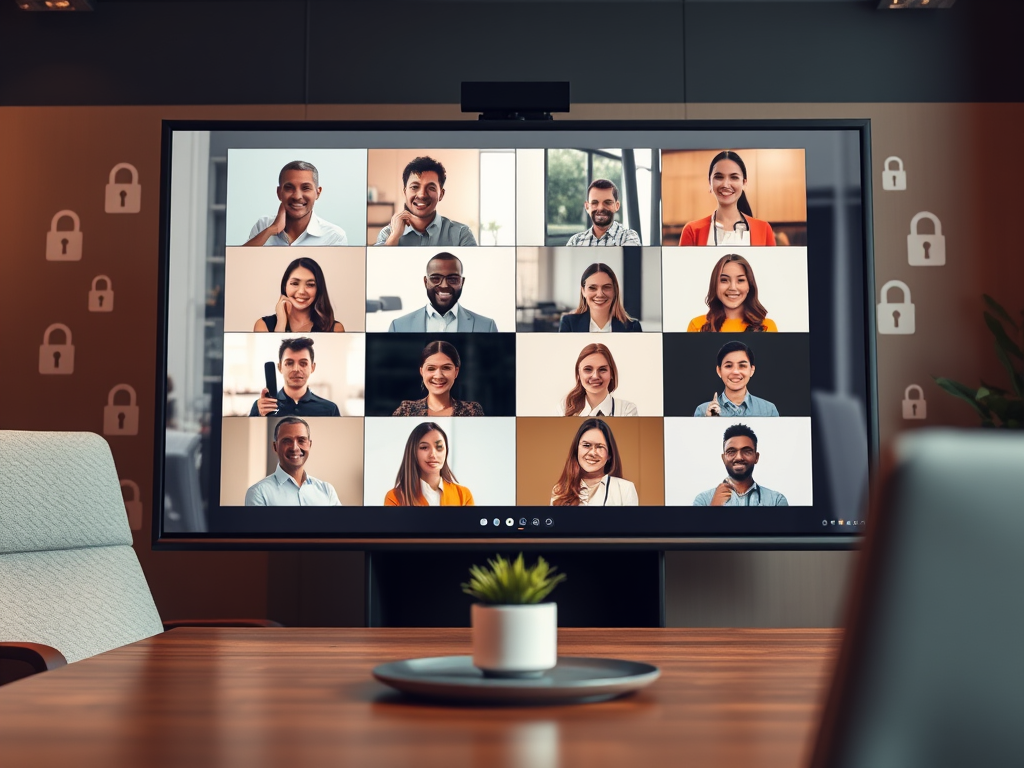
Remote work is no longer an experiment. It’s how modern organizations operate. Teams collaborate across cities, countries, and time zones – often without ever stepping into the same office.
In this environment, communication isn’t just important. It’s everything.

While video meetings have become standard, not all platforms are built with security at their core. And when business-critical conversations happen online, security directly impacts productivity.
Secure video conferencing is no longer just an IT concern – it’s a strategic advantage.
Why Secure Video Conferencing Matters More Than Ever
Businesses today handle sensitive information daily – client contracts, financial data, intellectual property, and strategic discussions. A basic video tool without proper safeguards creates unnecessary risk.
Secure video conferencing platforms protect conversations through advanced encryption, authentication layers, and controlled access. This ensures that only intended participants can view or join meetings.

When employees and clients know their discussions are protected, something powerful happens: trust increases. And trust is the foundation of productive collaboration.
The Link Between Security and Productivity
Security and productivity are often treated as separate goals. In reality, they are deeply connected.
- Fewer Disruptions
Secure platforms reduce risks like unauthorized access, phishing attempts, and meeting hijacks. Fewer disruptions mean smoother meetings and better time management.
- Open Communication
When team members feel safe sharing information, they contribute more freely. Secure environments remove hesitation, allowing faster decision-making.
- Stronger Client Confidence
Clients expect confidentiality. Using secure video conferencing demonstrates professionalism and commitment to protecting their data.
- Regulatory Compliance
Industries like healthcare, finance, and legal services must meet strict compliance standards. Secure meeting tools help organizations stay compliant and avoid penalties.
Essential Features of Secure Video Conferencing Platforms
To truly improve productivity, security must be built into the platform itself. Here are the core features businesses should expect:
End-to-End Encryption
End-to-end encryption ensures that meeting data can only be accessed by participants. Even service providers can’t read the content. This is the gold standard for encrypted video calls.
Multi-Factor Authentication (MFA)
MFA requires users to verify their identity using more than just a password. They use email codes. Authentication apps or bio metric verification are other options.
Role-Based Access Control
Hosts, co-hosts, and participants have different permissions. This prevents unauthorized file sharing, screen control, or access to sensitive information.
Waiting Rooms and Meeting Locks
Hosts can manually admit participants and lock meetings once everyone has joined, preventing intrusions
Audit Logs and Monitoring
Secure platforms keep activity logs, allowing IT teams to track access, file sharing, and system activity for accountability.
How Secure Video Conferencing Improves Remote Team Productivity
Security doesn’t slow teams down – it empowers them.
- Reduced Downtime
Secure systems typically include advanced infrastructure, proactive monitoring, and strong firewall protection. This reduces technical interruptions during meetings.
- Faster Decisions
When communication is protected, employees collaborate confidently. There’s less hesitation and fewer follow-up clarifications.
- Seamless Global Collaboration
Modern secure platforms often include real-time transcription, localization tools, and language translation – making global teamwork efficient and safe.
- Integrated Workflows
Leading video conferencing software integrates with calendars, CRM systems, cloud storage, and project management tools. Teams can collaborate, share files, and execute tasks without switching platforms.
- Improved Employee Morale
Knowing that conversations are protected gives employees peace of mind. Psychological safety plays a key role in engagement and retention.
Choosing the Right Secure Video Conferencing Platform
When evaluating video conferencing software, businesses should look beyond interface design and pricing.
Key questions to ask:
- Does the platform support end-to-end encrypted video calls?
- Is multi-factor authentication available?
- Can meeting access be controlled and monitored?
- Are audit logs accessible for compliance checks?
- Does the platform follow regulations like GDPR or HIPAA?
Some enterprise platforms focus security at their core. For example:
- Daakia focuses on advanced encryption and AI-supported secure communication workflows.
- Zoom Enterprise offers enhanced security controls for large organizations.
- Microsoft Teams Premium integrates secure meetings within the Microsoft 365 ecosystem.
- Cisco Webex provides enterprise-grade security insights and compliance tools.
- Google Meet Secure Edition delivers encrypted meetings within Google Workspace.
The right choice depends on your industry, compliance needs, and scalability requirements.
The Future of Secure Remote Communication
As remote work continues to evolve, so will communication technology. Artificial intelligence, bio-metric verification, and advanced encryption standards are shaping the next generation of secure meetings.
But the fundamentals stay the same:
Encryption. Authentication. Access control. Trust.

Organizations that focus on secure communication today build a stronger foundation for long-term growth.
Conclusion
Secure video conferencing is not just about protecting data – it’s about enabling performance.
When remote teams operate in a protected environment, they collaborate more openly, make decisions faster, and keep client confidence. Security reduces friction instead of adding it.
In a remote-first world, digital trust drives productivity. Investing in secure communication tools ensures your team can focus on results — without worrying about risks behind the screen.
Frequently Asked Questions (FAQ’S)
- Why is secure video conferencing important for remote teams?
Secure video conferencing protects sensitive business conversations through end-to-end encryption, authentication, and access control. It ensures confidential communication while improving collaboration and productivity for remote teams.
- How does encrypted video conferencing improve team productivity?
Encrypted video conferencing builds trust among employees, reduces security disruptions, prevents unauthorized access, and allows teams to communicate openly – leading to faster decision-making and better workflow efficiency
- What security features should the best video conferencing software have?
The best video conferencing software should include end-to-end encryption. It should have multi-factor authentication (MFA) and role-based access control. The software needs waiting rooms and meeting locks. Audit logs are essential for compliance and security monitoring.
- Is secure online meeting software necessary for compliance in 2026?
Yes. Industries like healthcare, finance, and legal services need secure online meeting platforms. These platforms must follow regulations like GDPR and HIPAA. Compliance helps to avoid penalties and protect client data.
- How do secure video conferencing platforms support global remote teams?
Secure platforms allow safe collaboration across time zones. They offer encrypted communication. AI-powered transcription, language translation, and integrations with productivity tools are also provided. Data security is not compromised.